This book is available on the following devices:
LIT004240
Studies in Russian and Slavic Literatures, Cultures and History
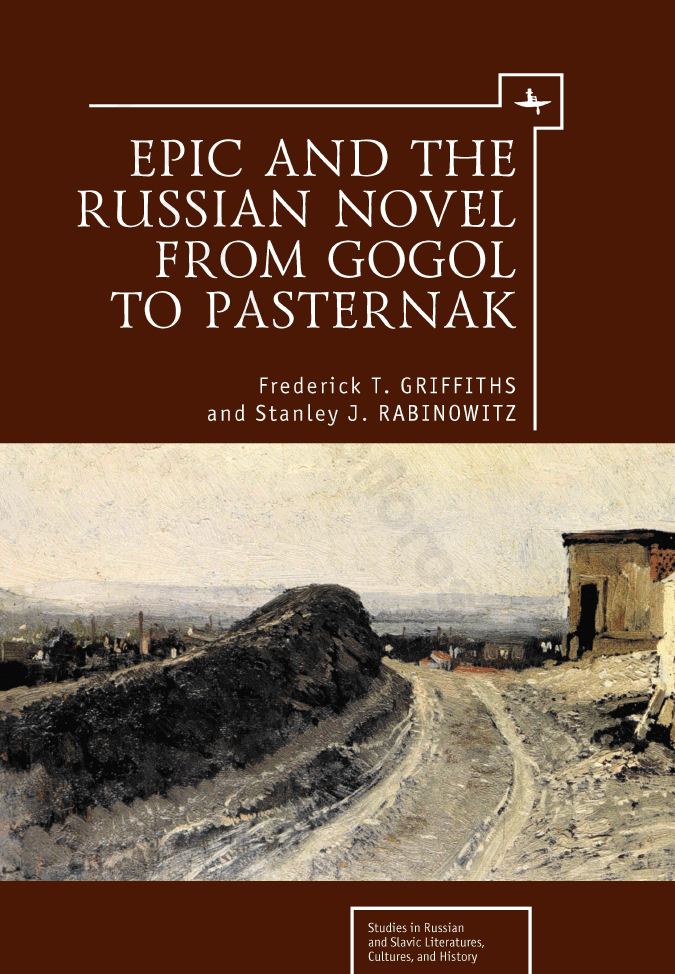
The authors read some of the classics in the Russian novelistic tradition against a critique of the Lukacs-Bakhtin view of epic, all the while demonstrating the modernity of epic as a literary mode and arguing how some key Russian novels challenge or outgrow their generic form to re-imagine or re-invent a new, monumental one. The chapters on Gogol's Dead Souls, Dostoevsky's Brothers Karamazov, Tolstoy's War and Peace, and Pasternak's Doctor Zhivago, have major implications for understanding the sweep of Russian literature as a whole, while the final chapter on Stalinist epic, which includes fresh insights on Anna Akhmatova and Nadezhda Mandelstam, considers other literary genres--the memoir and the narrative poem--against the background of the epic tradition. Teachers, graduate students, undergraduates as well as serious non-academic critics will profit from the original arguments which provide suggestions for re-reading Russian prose generally.